
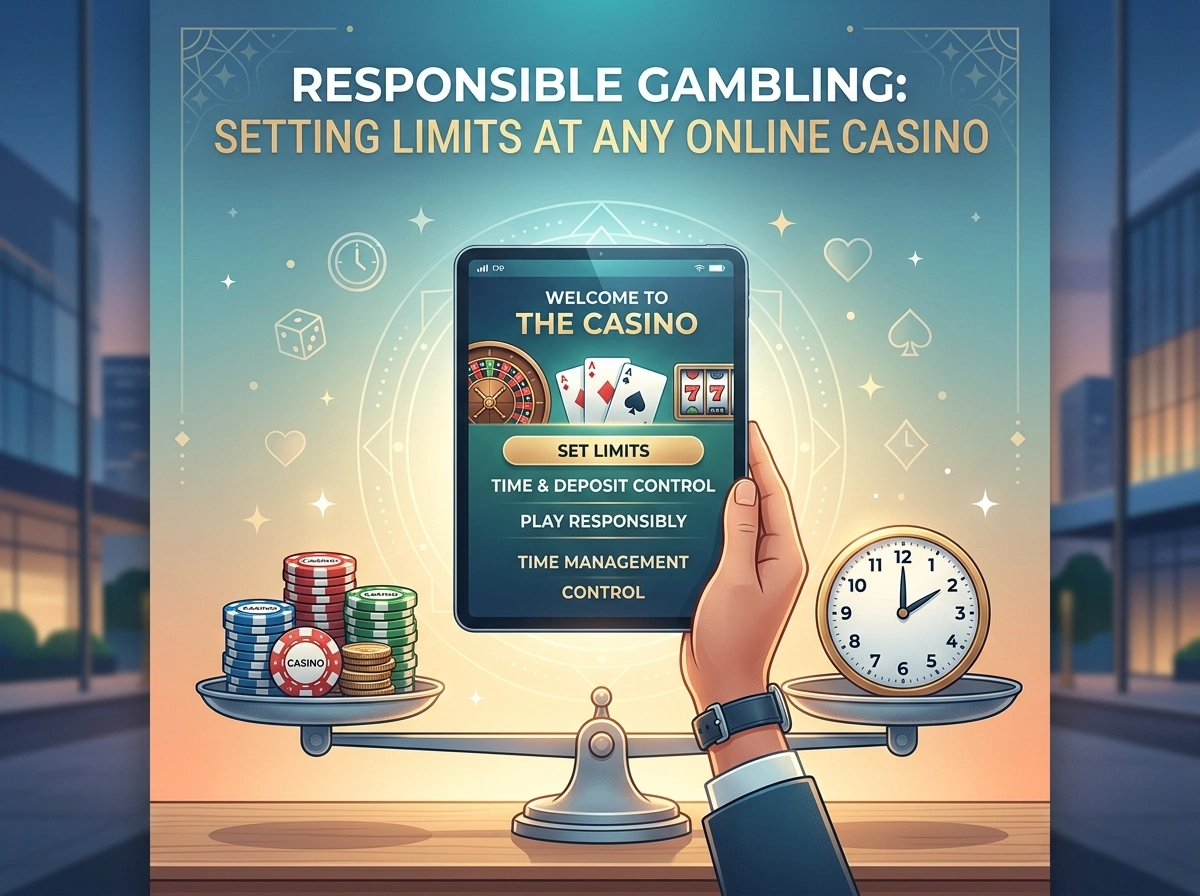
Online gaming can be fun, social, and entertaining. But like any form of entertainment that involves money, it works best when you stay in control. Setting clear limits before you play helps you enjoy the experience while protecting your finances and well-being. Whether you play occasionally or several times a week, understanding how to gamble responsibly makes all the difference.
This guide walks you through what responsible gambling means, the tools available to help you stay on track, and where to turn if play stops feeling fun.
What Does Responsible Gambling Mean?
Responsible gambling is the practice of treating betting as entertainment rather than a way to make money. It means knowing your budget, understanding the risks, and making conscious choices about how much time and money you spend.
At its core, responsible gambling rests on a few simple ideas:
- You only spend what you can comfortably afford to lose.
- You view any winnings as a bonus, not an expectation.
- You take regular breaks and never chase losses.
- You stay aware of how gambling affects your mood and daily life.
The goal isn’t to discourage play. Instead, it’s about keeping the activity enjoyable and within healthy boundaries. A reputable online casino will actively support these habits by offering built-in tools that put you in charge.
Why Setting Limits Matters
It’s easy to lose track of time and money when you’re caught up in the excitement of a game. The thrill of a near-win or the hope of recovering a loss can cloud your judgment. Limits act as a safety net, helping you make decisions when you’re calm rather than in the heat of the moment.
Setting boundaries in advance offers several real benefits:
- Financial protection. You avoid spending more than your budget allows.
- Better awareness. Limits force you to think about how much you really want to spend.
- Reduced stress. You play with peace of mind, knowing you’ve set safe boundaries.
- Longer enjoyment. Controlled play keeps gambling fun over time instead of leading to burnout or regret.
Think of limits the way you’d think of a budget for dining out or a night at the movies. They keep a good thing from becoming a problem.
Types of Limits You Can Set
Most trusted gaming platforms offer a range of customizable limits. You can usually adjust these in your account settings under “Responsible Gambling” or a similarly named section. Here are the most common options.
Deposit Limits
A deposit limit caps how much money you can add to your account over a set period, such as daily, weekly, or monthly. This is one of the most effective tools because it controls your spending right at the source. Once you hit your limit, you can’t deposit more until the period resets.
Loss Limits
A loss limit restricts how much you can lose within a chosen timeframe. Unlike deposit limits, this accounts for your wins too. For example, if you set a weekly loss limit of $100 and you’re up and down throughout the week, the system tracks your net losses rather than just deposits.
Session Limits
Session limits, sometimes called time limits, control how long you can play in a single sitting. When your time runs out, the platform reminds you to log off or take a break. This helps prevent the kind of marathon sessions where it’s easy to lose track of both time and money.
Wager Limits
A wager limit caps the total amount you can bet over a specific period. This is useful for managing the volume of your play, especially in fast-paced games where small bets can add up quickly.
Reality Checks
Many platforms also offer reality checks, which are pop-up reminders that appear at intervals you choose. They show how long you’ve been playing and how much you’ve spent, giving you a moment to pause and reflect.
Self-Exclusion Tools
Sometimes limits aren’t enough, and you may need a longer break from gambling altogether. Self-exclusion tools let you block your own access to your account for a set period.
You’ll typically find two main options:
- Cooling-off periods. These are short breaks, often lasting from 24 hours to a few weeks. They’re useful when you want to step back briefly and reset.
- Long-term self-exclusion. This option locks you out for an extended time, often six months, a year, or even permanently. During this period, you usually can’t reopen your account or create a new one on the same platform.
Many regions also offer national self-exclusion programs that block access across multiple sites at once. These are powerful tools for anyone who feels their gambling is becoming hard to manage.
How to Recognize Problem Gambling
Knowing the warning signs is just as important as setting limits. Problem gambling can develop slowly, and it’s not always easy to spot in yourself. Here are some signs worth watching for:
- You spend more money or time than you planned.
- You chase losses, betting more to win back what you’ve lost.
- You feel anxious, irritable, or restless when you’re not playing.
- You hide your gambling from friends or family.
- You borrow money or neglect bills to keep playing.
- Gambling interferes with work, relationships, or sleep.
If any of these feel familiar, it may be time to step back and review your habits. Recognizing the signs early gives you the best chance to regain control.
Quick Self-Check Questions
Ask yourself these honest questions:
- Do I gamble to escape stress or low moods?
- Have I tried to cut back but couldn’t?
- Do I feel guilty about how much I play?
Answering “yes” to one or more of these is a signal to seek support or tighten your limits.
Support Resources That Can Help
You’re never alone if gambling starts to feel overwhelming. Plenty of free, confidential resources exist to offer guidance and support. Consider reaching out to:
- Helplines. Many countries run 24/7 gambling helplines staffed by trained counselors.
- Support groups. Organizations like Gamblers Anonymous offer peer support and shared strategies.
- Counseling services. Professional therapists can help you understand and manage your habits.
- Self-assessment tools. Online questionnaires help you gauge whether your gambling is becoming risky.
Most reputable platforms also list these resources directly on their sites. Don’t hesitate to use them. Asking for help is a sign of strength, not weakness.
Tips for Staying in Control
Beyond using the tools above, a few simple habits can keep your gaming healthy:
- Set a budget before you start and stick to it.
- Treat gambling as entertainment, not income.
- Never gamble when you’re upset, tired, or under the influence.
- Take regular breaks and balance play with other activities.
- Keep track of how much time and money you spend.
These small steps add up, helping you enjoy gaming responsibly over the long run.
Final Thoughts
Responsible gambling is all about staying in control and keeping the fun in the game. By setting deposit, loss, session, and wager limits, you give yourself clear boundaries that protect both your wallet and your peace of mind. Self-exclusion tools offer a safety valve when you need a longer break, and a wide range of support resources stand ready to help if play ever stops feeling enjoyable.
The smartest players aren’t the ones who bet the most. They’re the ones who know their limits and stick to them. Take a few minutes today to review your settings, set your boundaries, and play with confidence. When you stay in control, gaming remains exactly what it should be: a source of entertainment you can enjoy responsibly.
