
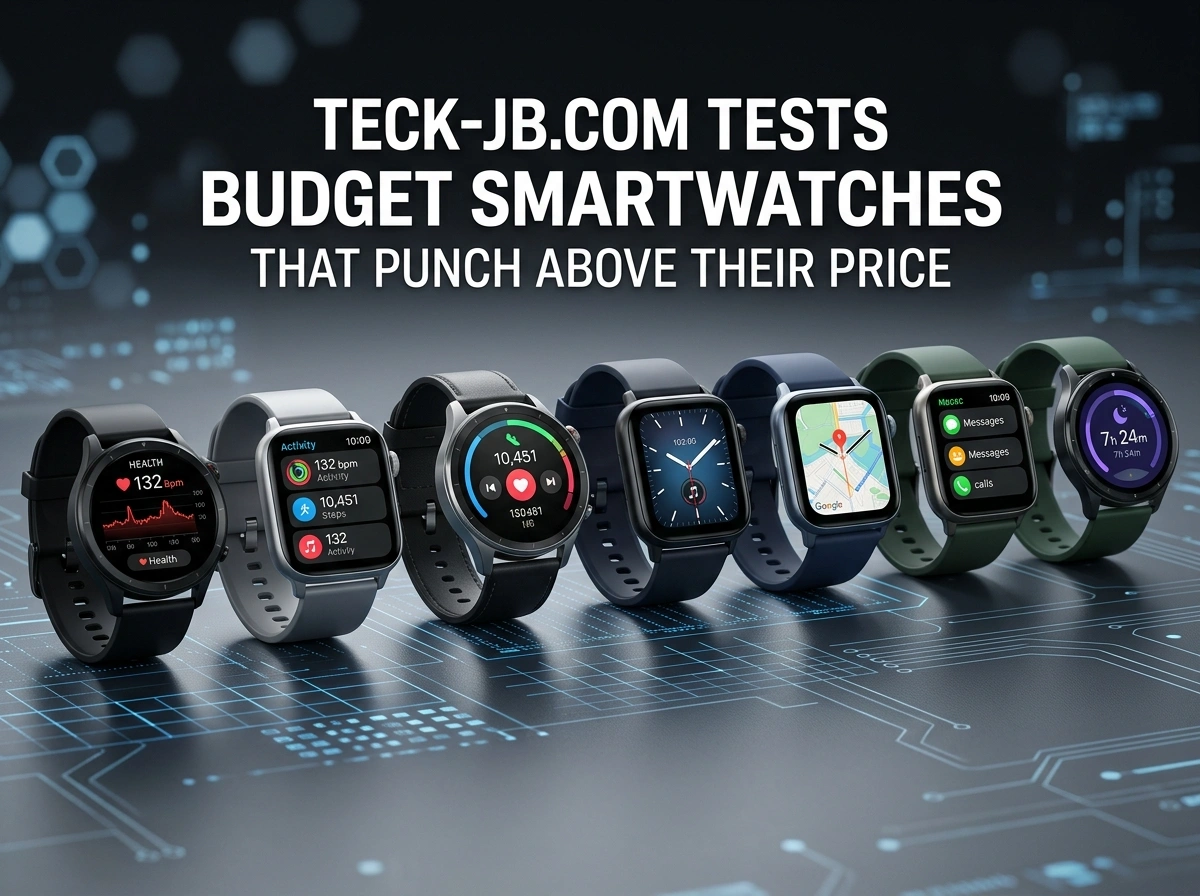
Smartwatches used to be a luxury reserved for people willing to spend $300 or more. Not anymore. The market has shifted in a big way, and affordable models now pack features that once belonged only to premium devices. To find out just how good these wallet-friendly options have become, the team at teck-jb.com put a range of budget smartwatches through real-world testing. The results were impressive.
If you’re shopping on a tight budget but still want strong performance, this guide breaks down what today’s affordable smartwatches offer, where they shine, and how to pick the right one for your lifestyle.
Why Budget Smartwatches Are Suddenly Worth Buying
A few years ago, a cheap smartwatch meant laggy screens, clunky software, and health sensors you couldn’t trust. Things have changed fast. Manufacturers now use better chips, brighter displays, and smarter software, even in entry-level models.
Several factors fueled this shift:
- Cheaper components. As sensor and display technology matured, prices dropped across the board.
- Fierce competition. Brands fight hard for the under-$100 buyer, pushing each other to add more features.
- Higher consumer expectations. Shoppers want fitness tracking, notifications, and long battery life without paying flagship prices.
The end result benefits you. A device that costs a fraction of a premium watch can now handle most daily tasks with ease.
Health and Fitness Tracking That Actually Works
One of the biggest surprises in recent testing was the accuracy of health features on low-cost models. Heart rate monitoring, sleep tracking, and step counting used to be hit-or-miss. Today, many budget watches deliver readings that come close to far pricier competitors.
Heart Rate and Blood Oxygen
Most affordable smartwatches now include continuous heart rate monitoring and SpO2 (blood oxygen) sensors. While they may not match medical-grade equipment, they’re reliable enough for general wellness tracking and workout intensity.
Sleep and Stress Insights
Sleep tracking has come a long way. Many budget models break down light, deep, and REM stages, then offer simple suggestions to improve rest. Some even add stress monitoring through heart rate variability, helping you spot patterns in your daily routine.
Built-In Workout Modes
Whether you run, cycle, swim, or lift, today’s affordable watches support dozens of activity modes. Many include built-in GPS or connect to your phone’s GPS, so you can map runs and rides without spending extra.
Battery Life: A Quiet Strength
Here’s where budget watches often beat their premium rivals. Flagship smartwatches with bright always-on displays and heavy app loads frequently need daily charging. Many budget models, by contrast, run for a week or longer on a single charge.
That longer battery life comes from simpler software and efficient processors. For anyone tired of charging a device every night, this is a genuine advantage. You can wear the watch around the clock, track your sleep, and still go days between charges.
Design and Build Quality
Affordable no longer means cheap-looking. Testing revealed plenty of models with metal frames, vibrant AMOLED screens, and interchangeable bands. Many now offer customizable watch faces, letting you switch between a sporty look and a dressier style in seconds.
Water resistance is another area where budget watches have improved. A rating of 5ATM is common, meaning you can shower, swim, and wash dishes without worry. For most people, that’s all the protection they’ll ever need.
App Compatibility and Smart Features
A smartwatch is only as useful as the ecosystem behind it. The good news is that most budget models work smoothly with both Android and iPhone, syncing notifications, calls, and texts to your wrist.
Notifications and Quick Replies
You can read messages, see who’s calling, and dismiss alerts straight from your watch. Some models support quick replies on Android, saving you from reaching for your phone constantly.
Music and Payments
Higher-end budget watches add bonus features like onboard music storage and contactless payments. These aren’t universal at lower price points, but they’re showing up more often, which speaks to how competitive this segment has become.
Companion Apps
The companion app matters as much as the hardware. The best budget brands offer clean, easy-to-use apps that display your health data clearly. Before buying, it’s worth checking app reviews to make sure the software holds up.
Performance: Smooth Enough for Daily Use
Lag was once the dealbreaker for cheap smartwatches. Swipes felt slow, and apps took forever to load. Recent models have largely solved this problem. Faster processors and refined software now deliver responsive menus and quick app launches.
You may still notice the occasional stutter compared to a flagship device. For everyday tasks like checking the weather, starting a workout, or glancing at notifications, though, performance is more than adequate.
Real-World Use Case Scenarios
To understand the value, consider how different people put these watches to work.
The Weekend Runner
Maria runs three times a week and wants to track her pace and heart rate without spending big. A budget watch with built-in GPS lets her map routes, monitor effort, and review progress, all for under $80.
The Busy Parent
James juggles work, kids, and errands. He values long battery life and quick notifications so he never misses an important call. A model lasting seven days between charges fits his hectic schedule perfectly.
The Sleep-Focused User
Aisha wants better rest. She uses her affordable watch to track sleep stages and follow simple tips to improve her routine. The detailed sleep data helps her make small changes that add up over time.
These scenarios show that you don’t need a premium device to meet real, everyday needs.
What to Look for When Choosing a Budget Smartwatch
Shopping smart means knowing which features matter most to you. Keep these points in mind.
Check Battery Claims Against Reviews
Manufacturers list best-case battery numbers. Real-world use, especially with GPS and always-on displays, drains power faster. Look for independent tests to set realistic expectations.
Confirm Phone Compatibility
Not every watch plays nicely with every phone. Some features work only on Android, while others are iPhone-friendly. Double-check before you buy.
Prioritize the Sensors You’ll Use
If sleep tracking matters most, focus on models known for accurate sleep data. If you’re a swimmer, make sure the watch carries a proper water-resistance rating.
Read About the Companion App
A poor app can ruin a great watch. Spend a few minutes reading app store reviews to avoid frustration later.
Set a Realistic Budget
The sweet spot for many shoppers sits between $40 and $100. In this range, you’ll find strong features without overpaying. Spending a little more often unlocks GPS, better screens, and longer support.
The Bottom Line
Budget smartwatches have closed the gap with premium models in ways that genuinely matter. Accurate health tracking, multi-day battery life, sharp displays, and smooth performance are now within reach for far less money. While flagship watches still lead in polish and advanced extras, most people will find everything they need in an affordable option.
The key is matching the watch to your habits. Focus on the features you’ll actually use, check real-world reviews, and you’ll walk away with a device that punches well above its price.
Ready to find a smartwatch that fits both your wrist and your budget? Explore the latest hands-on tests, reviews, and buying guides at teck-jb.com and make your next purchase with confidence.
