
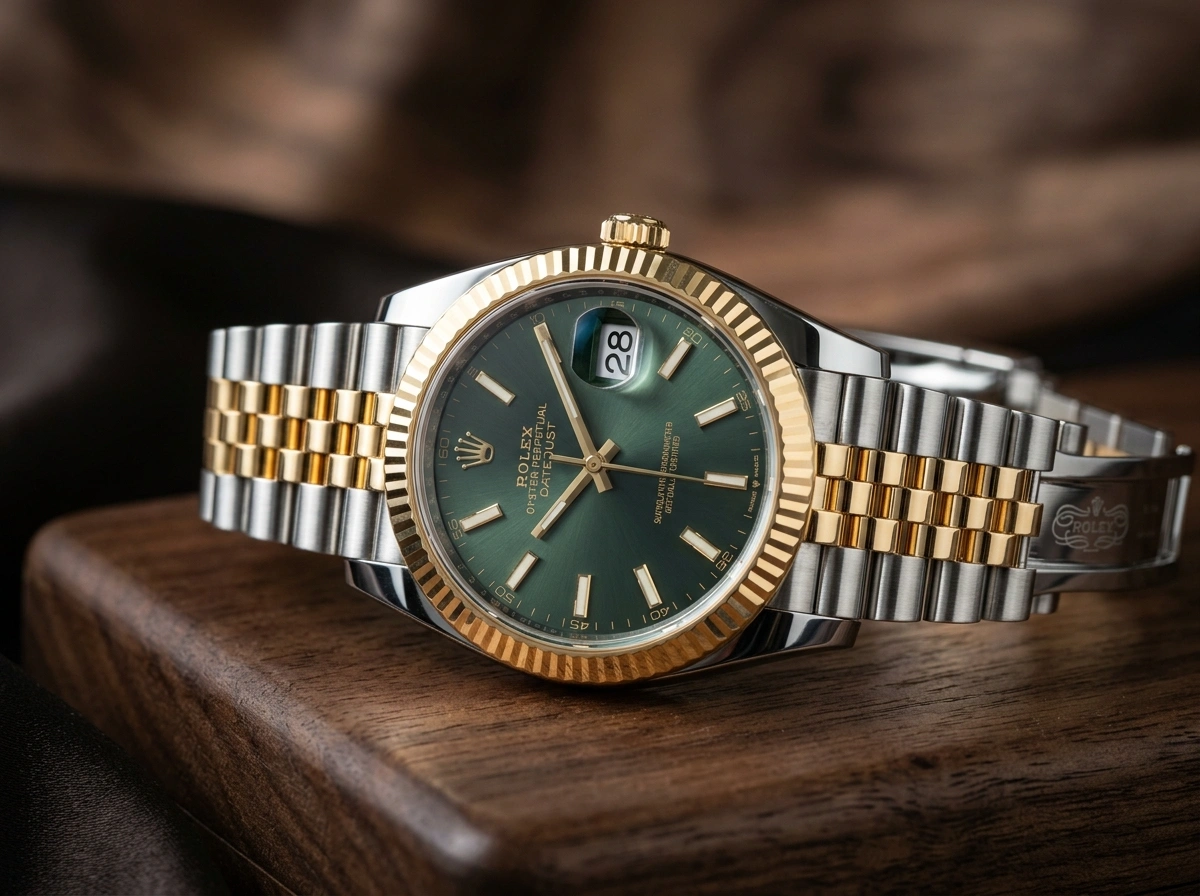
Few names in horology carry the weight of Rolex. The brand has become shorthand for prestige, precision, and timeless design. With that fame comes a sprawling secondary market, and part of that market includes replicas. If you’re new to this subject, the terminology and quality claims can feel overwhelming. This guide breaks down what Swiss replica Rolex watches are, why they attract attention, and what you should understand before forming an opinion or making a decision.
What Are Swiss Replica Rolex Watches?
A replica is a watch designed to imitate the look, and sometimes the feel, of a genuine Rolex. The term “Swiss replica” usually refers to copies that aim for a higher standard than basic imitations. Sellers often use the label to suggest the watch uses Swiss-made or Swiss-style internal components, better materials, or more careful assembly.
It’s important to be clear from the start: a replica is not a genuine Rolex. No matter how convincing it looks, it does not carry the authenticity, warranty, heritage, or investment value of a watch produced by the actual manufacturer. Understanding this distinction is the foundation of everything else in this guide.
Why People Are Interested in Replicas
Curiosity about replicas comes from several places. The most obvious factor is price. Authentic Rolex watches often cost thousands of dollars, and many popular models carry long waiting lists. Replicas appear to offer the aesthetic without the financial commitment.
Beyond cost, some people are simply fascinated by the engineering behind these imitations. Others want to understand the market so they can avoid being deceived when buying a pre-owned watch. Whatever the reason, education matters. Knowing how these products are made and marketed helps you make informed choices and recognize misleading claims.
Common Quality Tiers
Not all replicas are created equal, and the market tends to organize itself into rough quality tiers.
Entry-level replicas are the cheapest. They focus on surface appearance and often use low-grade materials, inaccurate dimensions, and basic quartz or low-quality automatic movements. Up close, the flaws are usually easy to spot.
Mid-tier replicas improve on details such as dial printing, weight, and case finishing. They may use better steel and more reliable movements, though inconsistencies still appear under careful inspection.
High-end replicas, sometimes marketed as “super clones,” aim to match the original as closely as possible. Sellers claim these use premium materials, refined finishing, and movements designed to mimic genuine calibers. Even so, experts and watchmakers can still identify differences through technical examination.
These tiers are loosely defined, and labels vary from seller to seller. Treat any quality claim with healthy skepticism.
Craftsmanship Considerations
Craftsmanship is where the gap between genuine and replica becomes clearest. A real Rolex is the product of decades of refinement, strict tolerances, and rigorous testing. Every component is engineered to work together for long-term durability.
Replicas attempt to copy the visible results of that craftsmanship rather than the process itself. Finer replicas may reproduce details like polished bevels, applied indices, and accurate fonts. However, subtle elements often reveal the truth: the smoothness of the bezel rotation, the precision of the date alignment, the texture of the dial, and the way the bracelet feels in the hand. These small details separate true craftsmanship from imitation.
Materials Used
Materials play a major role in how a watch looks, feels, and lasts. Genuine Rolex models use proprietary alloys, scratch-resistant sapphire crystals, and high-grade stainless steel known as Oystersteel.
Replicas vary widely. Lower-tier versions may use generic steel that scratches easily, mineral glass instead of sapphire, and plating that wears off over time. Higher-tier replicas often advertise sapphire crystals and 316L stainless steel, which is a step up but still not identical to what Rolex uses. Gold and gem accents on replicas are typically plated or simulated rather than solid or genuine. If a price seems far too low for the materials claimed, that’s a strong warning sign.
Movement Types
The movement is the engine of any watch, and it’s one of the most telling features. Genuine Rolex watches use in-house automatic movements built to exacting standards of accuracy and reliability.
Replicas use a range of movements:
- Quartz movements are battery-powered and inexpensive. They’re common in cheaper replicas and are easy to detect because the seconds hand ticks rather than sweeps.
- Generic automatic movements are mechanical and self-winding. They offer the sweeping motion buyers expect but may lack long-term reliability.
- Clone movements are designed to closely imitate genuine Rolex calibers. They represent the most advanced tier but still fall short of the original’s engineering and longevity.
A movement’s quality affects accuracy, servicing options, and lifespan, so it deserves attention.
Buying Considerations
If you’re researching this market, approach it with caution and clear expectations. Resources such as guides on swiss replica rolex watches can help you understand terminology and spot common claims, but no guide replaces careful personal judgment.
Keep these points in mind:
- Be skeptical of perfect promises. No replica is a flawless match for a genuine Rolex.
- Watch for unrealistic prices. Extremely low prices usually mean low quality or outright scams.
- Research the seller. Reputation, reviews, and transparency matter.
- Understand return and support limitations. Replicas rarely come with meaningful warranties.
- Inspect details closely. Photos can be edited, so request clear, specific images when possible.
Legality and Ethical Considerations
This is a critical area that beginners often overlook. Rolex is a protected trademark, and producing or selling watches that carry its name and logo without authorization is illegal in most countries. Importing counterfeit goods can lead to confiscation and, in some cases, legal penalties.
Beyond the law, there are ethical questions. Counterfeit production is frequently linked to unregulated labor practices and broader gray-market activity. The genuine watch industry also invests heavily in design and innovation, and counterfeits undercut that work. Whatever your view, it’s worth understanding these realities rather than ignoring them.
Tips for Evaluating Quality
If you want to sharpen your eye, focus on the details that are hardest to fake:
- Weight and balance. Genuine watches have a substantial, well-distributed feel. Many replicas feel lighter or unevenly weighted.
- Dial precision. Look for crisp printing, perfectly aligned text, and clean date placement.
- Cyclops magnification. The date window on a genuine model magnifies clearly; weak magnification is a common flaw.
- Movement behavior. A smooth sweeping seconds hand suggests an automatic movement, while a tick indicates quartz.
- Bracelet and clasp. Check for solid links, secure clasps, and clean engravings.
- Crown and engravings. Examine the logo, serial numbers, and laser etching for sharpness and accuracy.
These checks won’t make you an instant expert, but they’ll help you recognize the difference between careful imitation and obvious fakery.
Conclusion
Swiss replica Rolex watches occupy a complicated corner of the watch world. They draw interest because of price and curiosity, yet they come with real limitations in craftsmanship, materials, and reliability, along with serious legal and ethical concerns. The most valuable thing a beginner can do is learn how these products are made, marketed, and judged.
Knowledge protects you. Whether your goal is to understand the market, avoid deception, or simply satisfy your curiosity, a clear-eyed approach beats hype every time. Treat bold claims with caution, study the details, and remember that nothing matches the authenticity and assurance of a genuine timepiece.
