
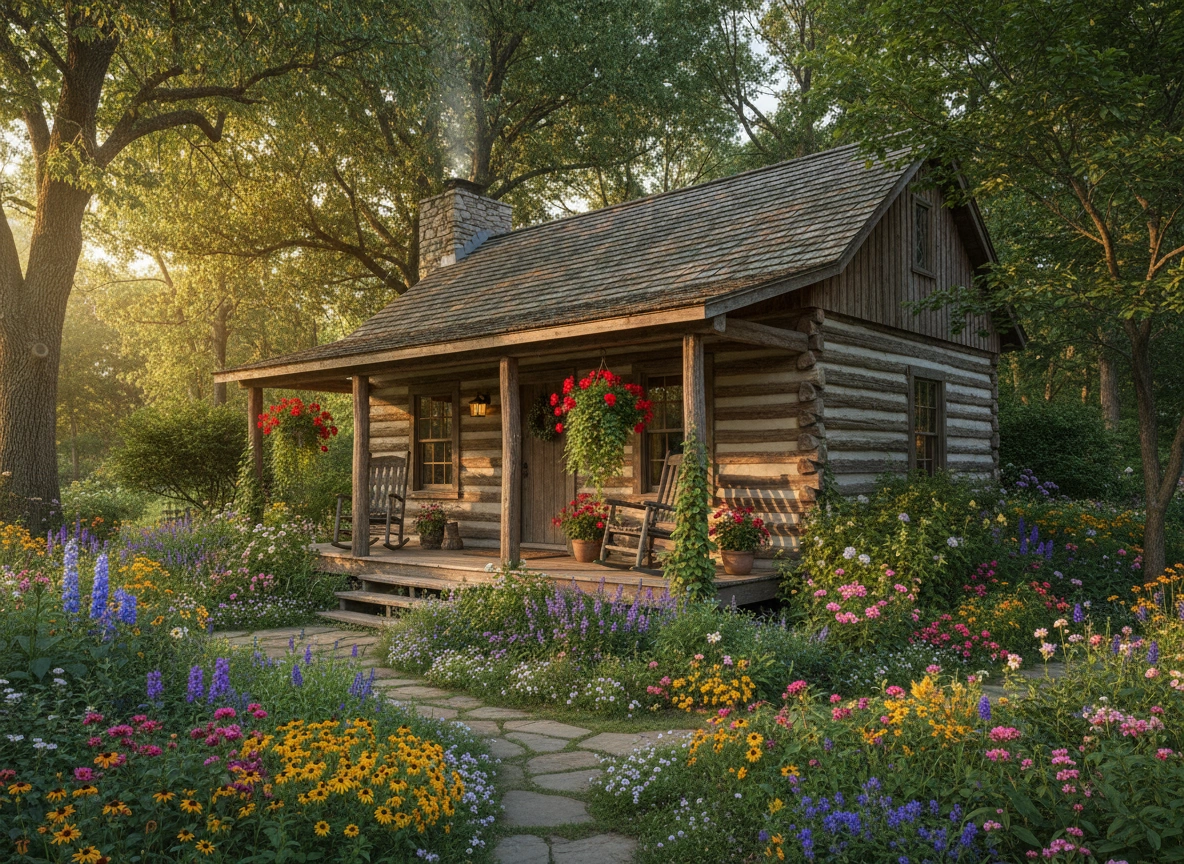
Modern life often feels like a race against the clock. Between endless emails, commuting, and the constant ping of notifications, finding a moment of genuine peace can seem impossible. This is why more homeowners are looking to their own backyards for a solution. A garden retreat offers a physical separation from the daily grind without the need to travel. Specifically, the allure of a traditional wooden structure is making a massive comeback.
This article explores how you can transform your outdoor space into a sanctuary. We will cover how to select the perfect structure, design a cozy interior, integrate it with your landscape, and ultimately, why this investment pays dividends for your mental well-being.
Why a Garden Escape Matters
The concept of a “third space”—a place that is neither work nor your main home—is crucial for mental decompression. While your house is comfortable, it is also the site of chores, family logistics, and often, remote work stress. Stepping out the back door and walking down a garden path creates a psychological break.
A dedicated garden room allows you to pursue hobbies, read in silence, or simply sit with a cup of coffee and watch the rain. It isn’t just about having extra square footage; it is about carving out a zone dedicated entirely to slow living. The rustic charm of timber structures enhances this effect, grounding you in natural materials and textures that concrete and drywall simply cannot replicate.
Choosing the Right Structure for Your Space
Before you start picking out throw pillows, you need to navigate the practical side of installation. Not all garden buildings are created equal, and selecting the right one requires careful consideration of your available space, budget, and intended use.
Assessing Your Needs
Start by defining the primary function of the room. Will it be a home office, a yoga studio, a reading nook, or a guest bedroom?
- For year-round use: You need thick walls (at least 44mm timber), double glazing, and floor insulation.
- For summer use: Thinner timber and single glazing might suffice, though they limit the usability of the space.
- For storage and leisure combo: Look for models with side sheds or segmented rooms.
Size and Positioning
Measure your garden carefully. You don’t want the structure to dominate the entire yard, leaving no green space. Consider the sun’s path throughout the day. If you want morning light for yoga, face the windows east. If you prefer evening sunsets while reading, orient the structure west.
Also, be mindful of local planning regulations. In many areas, garden buildings that fall within certain height and size restrictions are considered “permitted development” and do not require planning permission, but it is always vital to check with your local authority first.
Quality Materials
The longevity of your retreat depends on the quality of the wood. Slow-grown spruce or pine is generally preferred because it is denser and more durable than fast-grown alternatives. When browsing for your ideal structure, look for a high-quality Log Cabin that specifies the type of timber and joinery techniques used. Investing in quality now saves you maintenance headaches later.
Designing the Interior for Maximum Hygge
Once the shell is built, the magic happens inside. To create a true escape, you should embrace the concept of “Hygge”—the Danish art of coziness and contentment. The interior should feel like a warm hug, contrasting with the sometimes stark or cluttered feel of a main residence.
The Power of Lighting
Lighting transforms a wooden shed into a magical retreat. Avoid harsh overhead fluorescent lights. instead, layer your lighting:
- Ambient: Use warm-white LED strips along the roof beams to highlight the architectural timber.
- Task: A focused reading lamp next to an armchair is essential.
- Mood: Fairy lights or lanterns create a soft glow that feels instantly relaxing.
If you are running electricity to the cabin, install dimmer switches. Being able to lower the lights creates an immediate shift in atmosphere, signaling to your brain that it is time to wind down.
Textiles and Textures
Wood is a hard material, so you need to balance it with softness. Layer textures to create depth and warmth.
- Rugs: A thick, high-pile rug covers the wooden floorboards and keeps your feet warm.
- Throws: drape sheepskin or chunky knit blankets over furniture.
- Curtains: heavy curtains not only provide privacy but also add a layer of insulation, keeping the heat in during winter evenings.
Stick to a natural color palette. Soft creams, sage greens, warm terracottas, and deep navies complement the natural grain of the wood perfectly.
Heating Options
To make the space usable year-round, you need a heat source.
- Electric Radiators: Easy to install and efficient for small spaces.
- Wood Burning Stoves: The ultimate cozy factor. Watching a real fire crackle while the rain drums on the roof is an unbeatable experience. Note: Ensure you have a professional install this to meet safety and insurance standards.
- Underfloor Heating: If you are laying a new floor, electric underfloor heating mats are a luxurious addition that saves wall space.
Landscaping: Integrating the Cabin into Nature
A garden escape shouldn’t look like a box dropped onto a lawn. It should feel like it grew there. Landscaping is the key to blending the structure with its surroundings.
The Approach
How you get to the cabin is part of the experience. Create a winding path using stepping stones, gravel, or bark chips. A curved path forces you to slow down and observe the garden, aiding the transition from “house mode” to “relax mode.”
Softening the Edges
Planting around the base of the cabin helps ground it.
- Tall Grasses: Miscanthus or Stipa create movement and soften the hard lines of the timber.
- Climbers: Train clematis, honeysuckle, or jasmine up a trellis on the side of the cabin. This adds vertical interest and, in the case of jasmine, a beautiful scent.
- Potted Plants: Cluster terracotta pots of varying sizes near the entrance. Fill them with herbs like lavender or rosemary for fragrance.
Creating a Deck or Veranda
If space allows, add a small deck or veranda to the front. This creates a transitional zone where you can leave muddy boots or sit outside on warmer days. It effectively extends the living space of the cabin into the garden.
Maintenance: Keeping the Dream Alive
A timber building is a living thing. It expands and contracts with the weather, and it needs care to stay weather-tight and beautiful.
- Treatment: Treat the exterior wood immediately after construction and then every 2-5 years depending on the product used. This protects against rot, UV rays, and fungal decay.
- Foundation: Ensure air can circulate underneath the cabin to prevent dampness rising into the floor bearers. Keep vegetation trimmed back from the walls.
- Roof: Check the felt or shingles annually. Remove moss and debris, which can hold moisture and cause leaks.
The Mental Health ROI
Investing in a log cabin is often viewed through a financial lens—adding value to the property. While this is true, the Return on Investment (ROI) for your mental health is far more significant.
Having a space where you are unavailable to the demands of the household is liberating. It allows for deep work, uninterrupted creative flow, or simply the restorative practice of doing nothing. In an era of burnout, a garden sanctuary is a preventative measure. It is a tangible commitment to your own peace of mind.
Conclusion
Creating a cozy escape in your garden is more than a home improvement project; it is a lifestyle enhancement. By carefully choosing a high-quality structure, designing a warm and textured interior, and thoughtfully landscaping the surroundings, you build a refuge that serves you year-round.
Whether you use it to work, create, or rest, a log cabin provides a vital connection to nature and a necessary barrier against the noise of modern life.
Next Steps
- Measure your garden: Identify the maximum footprint you can accommodate.
- Set a budget: Factor in the base, the cabin, insulation, electrics, and interior furnishings.
- Browse designs: Look for a style that complements your main home.
- Consult a professional: If you plan on installing electricity or plumbing, get quotes from certified tradespeople early in the process.
Your sanctuary awaits—right in your own backyard.
