
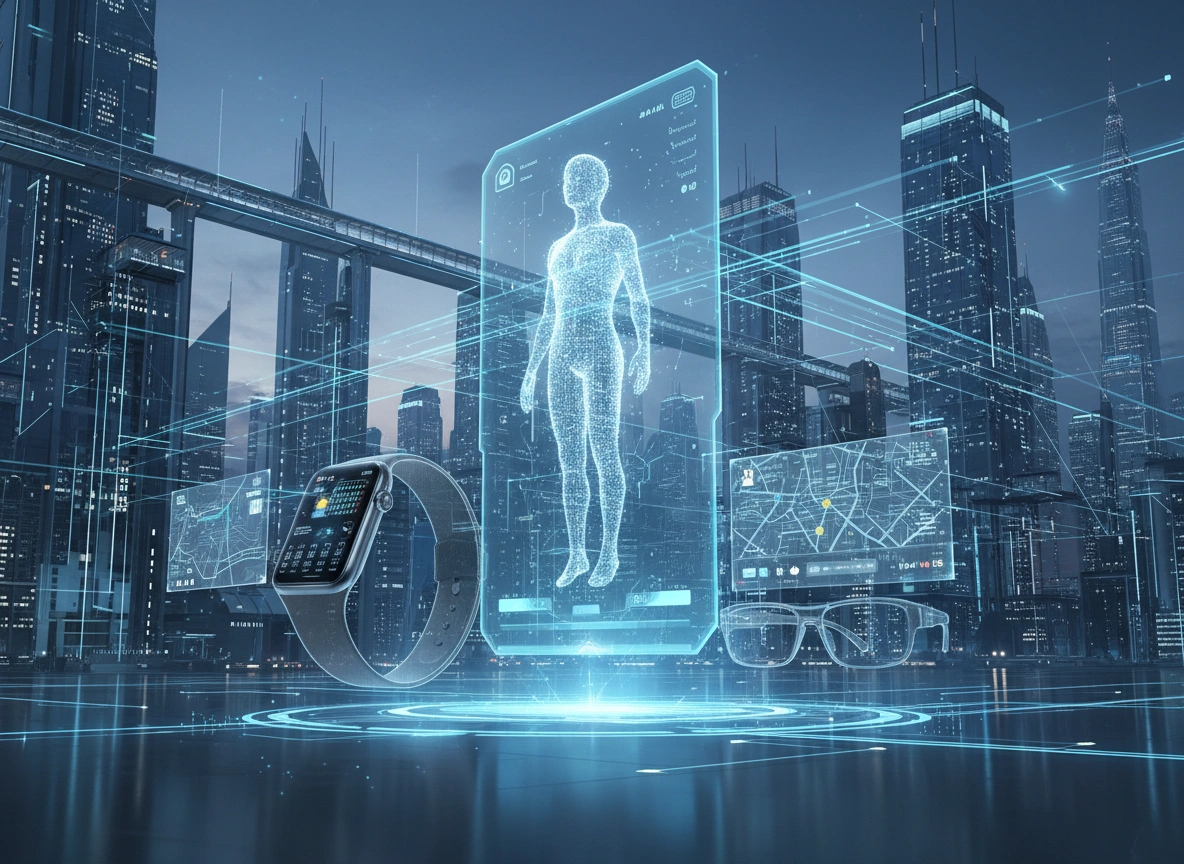
Artificial intelligence is steadily moving from the pages of science fiction into the core of our daily routines.## The Future of AI in Everyday Technology
Artificial intelligence is steadily moving from the pages of science fiction into the core of our daily routines. It’s no longer a distant concept but an active force shaping the technology we interact with every day. From the smartphones in our pockets to the systems managing our homes, AI is enhancing convenience, efficiency, and personalization. Understanding its trajectory is key to preparing for a future where technology is more integrated into our lives than ever before. This article explores the future of AI in everyday technology, examining its impact on our homes, health, education, transportation, and personal devices, while also considering the challenges that lie ahead.
The Evolution of AI in Personal Devices
Our relationship with personal technology is becoming increasingly conversational and predictive, thanks to AI. Smartphones, smartwatches, and laptops are no longer just tools for communication or information retrieval; they are becoming intelligent companions that anticipate our needs. Voice assistants like Siri, Alexa, and Google Assistant are prime examples, allowing us to control devices, manage schedules, and access information with simple verbal commands. The future of this technology lies in greater proactivity and deeper personalization.
Imagine a personal device that doesn’t just respond to your requests but anticipates them. Your phone might automatically silence notifications when it detects you are in a meeting, suggest a new route home based on real-time traffic data and your usual travel patterns, or even curate a playlist that matches your current mood, detected through biometric sensors in your smartwatch. This level of predictive assistance is powered by machine learning algorithms that analyze vast amounts of personal data to understand your habits and preferences. The goal is to create a seamless user experience where the technology works for you in the background, making daily tasks easier without requiring constant input.
Transforming Homes into Smart Environments
The concept of the smart home is evolving from a collection of connected gadgets into a cohesive, intelligent ecosystem. AI is the central nervous system of this evolution, enabling devices to not only communicate with each other but also to learn from household occupants and make autonomous decisions. Current smart home technology often requires manual programming of routines, such as telling lights to turn off at a certain time. The next generation of smart homes will operate with a higher degree of intelligence and automation.
Future smart homes will use AI to optimize energy consumption by learning your family’s schedule, adjusting the thermostat, and managing appliance usage accordingly. Security systems will become more sophisticated, using facial recognition to distinguish between residents, guests, and intruders, and alerting homeowners to unusual activity. In the kitchen, AI-powered refrigerators will track inventory, suggest recipes based on available ingredients, and automatically add items to your grocery list. These advancements aim to create living spaces that are not only more convenient but also safer, more sustainable, and perfectly adapted to the inhabitants’ lifestyles.
AI’s Growing Role in Healthcare
The integration of AI in healthcare is one of its most promising and impactful applications. While complex diagnostic AI is already used in clinical settings, its presence in everyday health management is set to expand significantly. Wearable technology is at the forefront of this trend. Smartwatches and fitness trackers already monitor heart rate, sleep patterns, and physical activity. In the future, these devices will incorporate more advanced sensors capable of tracking blood glucose levels, blood pressure, and other vital signs in real time.
This continuous stream of data, analyzed by AI algorithms, can provide early warnings for potential health issues, allowing for proactive intervention. For example, an AI could detect subtle irregularities in a person’s heart rhythm and advise them to seek medical attention, potentially preventing a serious cardiac event. AI-powered apps will also serve as personal health coaches, offering customized diet and exercise plans based on an individual’s data and health goals. This shift toward personalized, preventative healthcare empowers people to take greater control of their well-being.
Revolutionizing Transportation and Mobility
The automotive industry is undergoing a massive transformation driven by AI, with autonomous vehicles being the ultimate goal. While fully self-driving cars for public use are still in development, AI is already a standard feature in modern vehicles. Advanced Driver-Assistance Systems (ADAS) use AI for functions like adaptive cruise control, lane-keeping assist, and automatic emergency braking. These features enhance safety by acting as a vigilant co-pilot, monitoring the environment and reacting faster than a human driver can.
Looking ahead, AI will manage entire transportation networks. Intelligent traffic management systems will analyze data from vehicles, road sensors, and public transit to optimize traffic flow, reduce congestion, and minimize travel times in cities. Ride-sharing services will use AI to predict demand and position vehicles more efficiently. For individuals, personal vehicles will become more than just transportation; they will be extensions of our digital lives, offering personalized infotainment, and seamlessly integrating with our calendars to plan routes and manage our schedules on the go.
Education Tailored to the Individual
AI is poised to bring a new level of personalization to education, moving away from the one-size-fits-all model. AI-driven learning platforms can adapt to each student’s pace and style, providing customized lesson plans, exercises, and feedback. If a student is struggling with a particular concept, the AI can offer additional resources and alternative explanations until mastery is achieved. Conversely, if a student is excelling, the system can introduce more advanced material to keep them engaged.
This technology doesn’t aim to replace teachers but to empower them. By automating administrative tasks like grading and progress tracking, AI frees up educators to focus on mentoring and providing one-on-one support to students. AI tools can also help create more engaging learning materials, such as interactive simulations and virtual reality experiences. The result is a more efficient, effective, and inclusive educational environment where every student has the opportunity to reach their full potential.
Ethical Considerations and Challenges
As AI becomes more woven into the fabric of our lives, it brings a host of ethical considerations and challenges that must be addressed. Data privacy is a primary concern. The AI systems that provide personalized experiences rely on collecting and analyzing vast quantities of personal data. Ensuring this data is secure and used responsibly is crucial to maintaining public trust. There must be clear regulations and transparent policies regarding data ownership and usage.
The potential for algorithmic bias is another significant challenge. If the data used to train AI systems reflects existing societal biases, the AI may perpetuate or even amplify them. For example, a hiring algorithm trained on historical data from a male-dominated industry might unfairly penalize female candidates. Developers and policymakers must work together to create methods for auditing AI systems for fairness and mitigating bias.
A Forward-Looking Perspective
The future of AI in everyday technology is one of profound integration and enhancement. AI will continue to evolve from a tool we actively command to an intelligent partner that works seamlessly in the background to improve our lives. It holds the promise of making our homes more comfortable, our health more manageable, our travel safer, and our education more personalized.
Navigating this future requires a balanced approach. We must embrace the innovation and convenience that AI offers while remaining vigilant about the ethical implications. Through thoughtful design, responsible development, and robust regulation, we can ensure that artificial intelligence serves to augment human capabilities and contribute to a more efficient, equitable, and prosperous society for all.
Please visit this website for more info
