
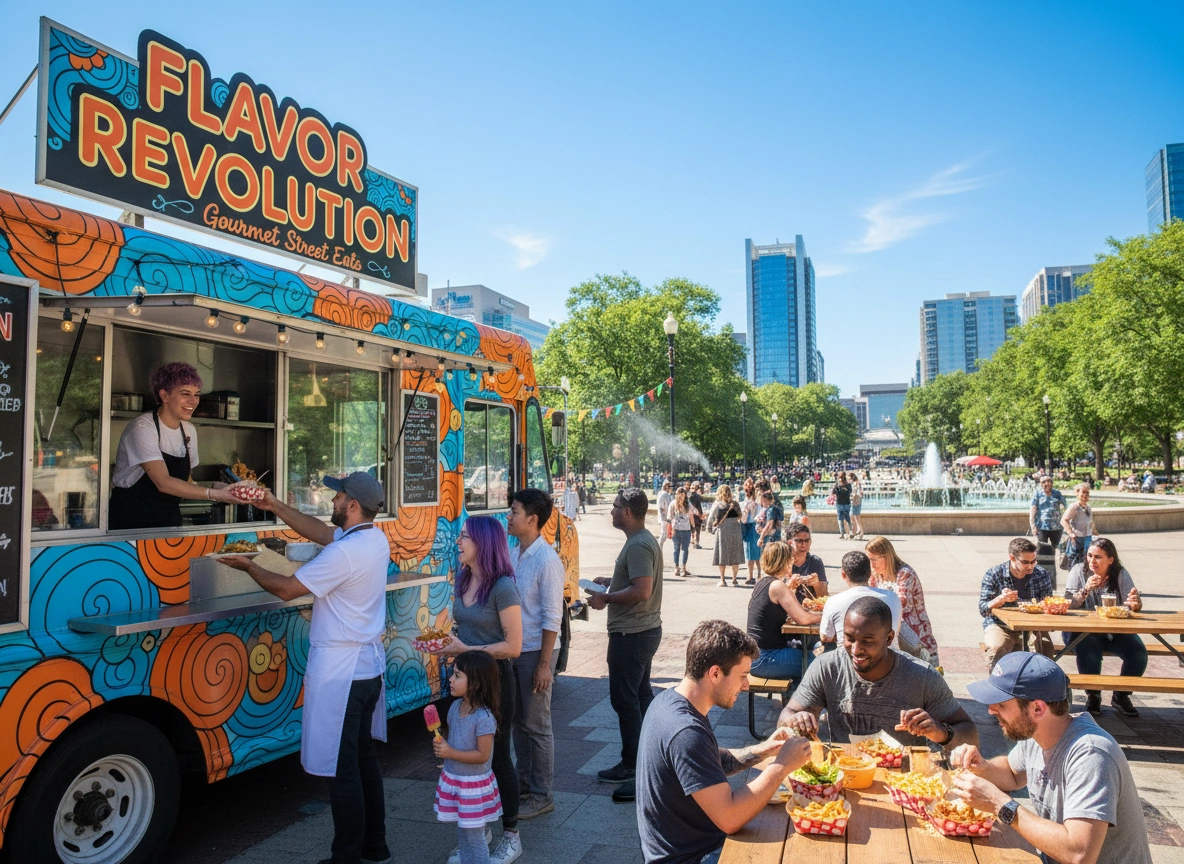
Many chefs and food lovers dream of opening their own restaurant, a place where their culinary vision comes to life. Yet, the traditional brick-and-mortar path is paved with high costs and significant risks. A more accessible and dynamic alternative has rolled into cities across the country: the food truck. These mobile kitchens offer a powerful platform for aspiring entrepreneurs to test their concepts, build a brand, and launch their culinary dreams without the immense financial burden of a physical restaurant.
This article will explore why the food truck model has become a preferred starting point for so many in the food industry. We will cover the key advantages, from lower startup costs and creative freedom to the unique benefits of mobility and direct customer engagement. We’ll also share actionable tips to help you start your own journey on four wheels.
Lowering the Barrier to Entry
The most significant advantage of a food truck is the reduced financial investment compared to a traditional restaurant. Opening a brick-and-mortar establishment involves staggering expenses, including long-term leases, extensive renovations, costly kitchen equipment, and front-of-house staffing. These costs can easily run into hundreds of thousands, or even millions, of dollars.
The Financial Advantage of Going Mobile
A food truck significantly lowers this financial hurdle. While not free, the startup costs are far more manageable. Expenses typically include purchasing and outfitting the truck, licensing, permits, and initial inventory. This streamlined model allows entrepreneurs to enter the market with less capital, reducing personal financial risk and making it easier to secure funding from lenders who may be hesitant to back a full-scale restaurant. By starting smaller, you can prove your concept and build a financial track record before considering a larger investment.
This lower entry cost also means a faster path to profitability. With fewer overhead expenses like rent, utilities for a large space, and a large payroll, food truck owners can achieve a positive cash flow more quickly. This early success can provide the capital and confidence needed for future expansion.
A Canvas for Culinary Creativity
Food trucks are incubators for innovation. Unbound by the rigid expectations of a formal dining room or a large, complex menu, chefs have the freedom to experiment. The limited space encourages a focused menu, allowing owners to perfect a handful of signature dishes. This focus is a strength, not a weakness. It enables you to build a reputation for doing one thing exceptionally well, whether it’s gourmet tacos, artisanal grilled cheese, or exotic vegan bowls.
Niche Markets and Menu Flexibility
This model is perfectly suited for tapping into niche markets. You can create a menu that caters to specific dietary preferences like gluten-free or plant-based, or introduce a community to a cuisine they have never experienced before. The mobility of the truck allows you to take your unique offerings directly to the customers who will appreciate them most.
Furthermore, a food truck menu is incredibly agile. If a dish isn’t selling or you want to capitalize on seasonal ingredients, you can change your offerings overnight without the cost of reprinting expensive menus or retraining a large kitchen staff. This flexibility allows you to constantly adapt to customer feedback and market trends, keeping your brand fresh and exciting. Consider the story of Roy Choi, whose Kogi BBQ truck in Los Angeles pioneered the Korean-Mexican fusion taco. His innovative concept, shared directly with customers on the streets, sparked a nationwide culinary movement.
The Power of Mobility and Marketing
A food truck’s greatest asset is its wheels. Unlike a restaurant, which is fixed in one location, a food truck can go where the customers are. This mobility is a powerful tool for marketing and brand building. You can set up shop at bustling office parks during lunch, popular farmers’ markets on weekends, and lively festivals or concerts in the evenings. Each new location is an opportunity to reach a new audience.
Building a Following on the Go
This mobility turns your daily operations into a dynamic marketing campaign. By strategically choosing your locations, you can maximize visibility and sales. Are downtown lunch crowds your target? Park near corporate buildings. Want to reach families? A spot near a local park or community event is ideal. This ability to test different markets is invaluable for understanding your customer base.
Social media is the food truck’s best friend. Platforms like Instagram, X (formerly Twitter), and Facebook allow you to announce your location in real-time, post mouth-watering photos of your food, and engage directly with your followers. Successful trucks build a loyal community that eagerly follows their movements and promotes their business through word-of-mouth. This direct, authentic connection is a form of marketing that many brick-and-mortar restaurants struggle to replicate.
Forging Direct Customer Connections
In a traditional restaurant, the chef is often hidden in the kitchen. In a food truck, the owner is frequently the one taking orders and handing food to customers through the service window. This direct interaction is one of the most rewarding aspects of the business. You get immediate, unfiltered feedback on your food and service.
This close connection helps you build strong relationships with your patrons. They get to know the face behind the food, hear your story, and feel a personal connection to your brand. This loyalty is powerful. Regular customers become your biggest advocates, spreading the word to friends and family. This grassroots marketing is authentic and highly effective. Learning what your customers love, what they don’t, and what they want to see next provides priceless market research that you can use to refine your business.
Actionable Tips for Aspiring Food Truck Owners
Feeling inspired to start your own culinary journey? Here are a few practical steps to get you on the road:
- Define Your Concept: What kind of food will you serve? What makes your idea unique? A strong, focused concept is easier to market and will help you stand out in a crowded field. Perfect a small menu of 5-7 items.
- Write a Solid Business Plan: Don’t skip this step. A detailed business plan will force you to think through every aspect of your operation, from startup costs and pricing to marketing strategies and financial projections. This document is essential for securing loans or investors.
- Navigate the Regulations: The food truck industry is heavily regulated. Research the specific licenses, permits, and health department certifications required in your city and state. This can include a business license, food handler permits, vehicle licenses, and commissary kitchen agreements.
- Secure Your Truck and Equipment: You can buy a new, fully-equipped truck or purchase a used one and customize it. Ensure your truck meets all local health and fire safety codes. Invest in reliable, commercial-grade kitchen equipment that fits your menu’s needs.
- Master Your Online Presence: Before you even serve your first customer, start building your brand online. Secure your social media handles, create a simple website, and start posting content to build anticipation. A strong online presence is non-negotiable for a modern food truck.
Conclusion: Your Dream on Wheels
The path to culinary success no longer requires a traditional restaurant. For a new generation of chefs and entrepreneurs, the food truck offers a more attainable, flexible, and exciting launchpad. By embracing lower startup costs, creative freedom, strategic mobility, and direct customer interaction, you can build a thriving business and a loyal following.
The food truck is more than just a place to cook; it’s a vehicle for realizing your passion. It allows you to test your ideas, refine your craft, and connect with your community in a deeply personal way. For those with a culinary dream and an entrepreneurial spirit, the open road awaits.
Please click here for more info.
